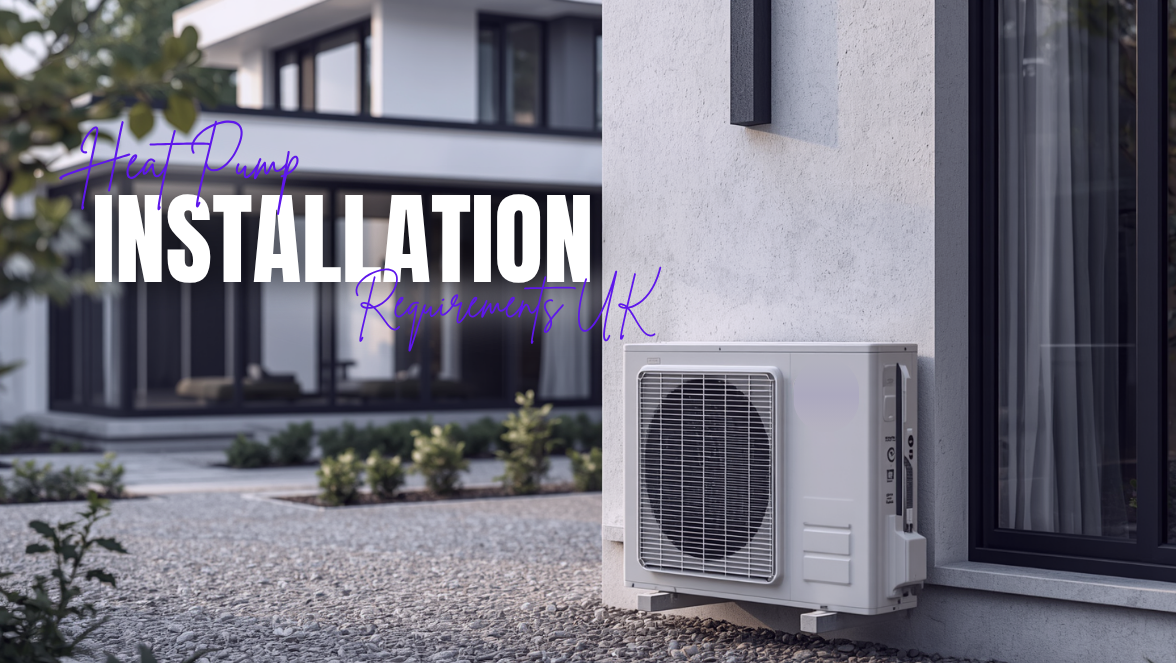
If you’re considering a heat pump, the first question is not about cost.
It is whether your property is actually suitable.
Understanding heat pump installation requirements helps you avoid delays, unexpected upgrades, and poor system performance. More importantly, it ensures the system works efficiently from day one.
This guide explains exactly what you need before installation, so you can move forward with confidence.
Quick Suitability Summary
You are likely ready for a heat pump if:
Your home has good insulation
You have space for an outdoor unit
Your heating system can operate at lower temperatures
Your electrical system can support the unit
You may need upgrades first if:
Insulation is poor
Radiators are undersized
Space is limited
Heat loss is high
Quick Answer
To install a heat pump in the UK, you typically need:
Adequate insulation
Suitable outdoor and indoor space
Proper system design based on heat loss
Compatible heating distribution (radiators or underfloor heating)
Electrical and plumbing readiness
What Do You Need Before Installing Heat Pump?
Before installing a heat pump, you need to ensure your property meets key requirements.
First, your home must retain heat efficiently. Next, you need enough space for both outdoor and indoor components. Finally, your heating system must support lower flow temperatures.
Without these, the system may not perform as expected.
Main Heat Pump Installation Requirements in the UK
1. Adequate Insulation
Insulation plays a critical role.
Reduces heat loss
Improves efficiency
Lowers running costs
If your home loses heat quickly, the system will need to work harder, which increases costs.
2. Outdoor Space for the Unit
You need space to install the external unit.
Typically placed outside on a wall or ground
Requires good airflow
Should minimise noise impact
Proper positioning ensures efficient operation.
3. Indoor Space for Components
Most systems require indoor space for:
Hot water cylinder
Controls and system connections
If space is limited, installers may suggest alternative layouts.
4. Heating Distribution System
Heat pumps operate at lower temperatures.
Therefore, your home may need:
Larger radiators
Or underfloor heating
This ensures heat spreads effectively throughout the property.
Electrical, Plumbing, and System Design Requirements
Electrical Requirements
Dedicated power supply
Suitable capacity for the system
Plumbing Requirements
Compatible pipework
Integration with existing heating system
System Design
Installers must design the system based on:
Heat loss calculations
Property layout
Usage patterns
This step is essential for long-term performance.
Will You Need Radiator or Insulation Upgrades?
In many cases, yes.
Radiator Upgrades
Smaller radiators may not work efficiently with heat pumps. Larger units improve heat distribution.
Insulation Improvements
If insulation is poor, installers may recommend:
Loft insulation
Wall insulation
Draught-proofing
These upgrades significantly improve system efficiency.
Planning and Practical Checks
While many installations fall under permitted development, you should still check:
Property type
Local planning rules
Noise and placement guidelines
This helps avoid complications later.
What Installers Assess During a Survey
A professional survey determines whether your home is suitable.
Key Checks Include:
Heat loss calculation
Insulation levels
Existing heating system
Space availability
Electrical capacity
This ensures the system is correctly sized and designed.
Common Reasons Properties Need Upgrades
Poor insulation
Outdated radiators
Limited space
High heat loss
Addressing these issues improves performance and reduces running costs.
Requirements Checklist
Requirement
Why It Matters
Good insulation
Improves efficiency
Outdoor unit space
Enables proper installation
Indoor cylinder space
Supports hot water system
Suitable radiators
Ensures effective heating
Electrical capacity
Powers the system safely
Proper system design
Maximises performance
How to Prepare Before Requesting a Quote
Before you move forward:
Review your property’s insulation
Check available space
Understand your current heating system
Note any potential upgrades
This helps you get more accurate and useful quotes.
Get a Tailored Assessment for Your Property
Every property is different, so requirements can vary.
This allows you to move from general advice to a clear plan.
Final Thoughts
The heat pump installation requirements in the UK are not complicated, but they are essential.
When your property meets the right conditions, a heat pump can deliver efficient, reliable, and long-term heating. However, skipping preparation can lead to poor performance and higher costs.
The key is understanding your home first, then choosing the right system.
FAQ Section
What do you need before installing heat pump?
You need good insulation, suitable space, proper system design, and a compatible heating system.
Can any house have a heat pump?
Most homes can, but some may require upgrades to insulation or heating systems.
Do I need new radiators for a heat pump?
In some cases, yes. Larger radiators help improve efficiency.
Does insulation affect heat pump performance?
Yes, insulation is one of the most important factors for efficiency and cost.
Do heat pumps require planning permission?
Many installations fall under permitted development, but you should always check your situation.
Live dealer spellen in online casino’s zoals NV Casino zijn de afgelopen jaren enorm populair geworden. Deze spellen bieden spelers de opwinding van een fysiek casino, maar met het gemak van online gokken. De combinatie van real-time interactie, professionele dealers en een authentieke casino-ervaring trekt zowel nieuwe als ervaren spelers aan. Voor meer informatie over deze moderne speelervaring kan men terecht op https://nvcasinos-belgium.com.
De aantrekkingskracht van live dealer spellen
Live dealer spellen stellen spelers in staat om deel te nemen aan klassieke casinospellen zoals blackjack, roulette en baccarat, terwijl ze in realtime met een dealer communiceren. Dit creëert een sociale sfeer die vaak ontbreekt bij traditionele online casinospellen. Spelers hebben de mogelijkheid om vragen te stellen en strategieën te bespreken, wat de betrokkenheid vergroot.
Een belangrijk aspect van deze spellen is de gebruiksvriendelijke interface en de hoogwaardige video-streaming. Spelers kunnen de actie volgen vanuit het comfort van hun eigen huis, zonder in te boeten op de opwinding van het casino-gevoel.
Real-time interactie met dealers en andere spelers
Veiligheid en vertrouwen door gecertificeerde spellen
Breed scala aan spellen en variaties
Gemakkelijke toegang via verschillende apparaten
Aantrekkelijke bonussen en promoties
De rol van technologie in live dealer spellen
Technologie speelt een cruciale rol in het succes van live dealer spellen. Geavanceerde camera’s en streamingsoftware zorgen voor hoogwaardige beelden en geluid, waardoor de ervaring bijna identiek is aan die van een fysiek casino. Bovendien wordt de integriteit van het spel gewaarborgd door gebruik te maken van Random Number Generators (RNG) en onafhankelijke audits.
De mogelijkheid om te spelen op verschillende apparaten, zoals smartphones en tablets, maakt het nog aantrekkelijker. Spelers kunnen hun favoriete spellen overal en altijd spelen, wat de toegankelijkheid en het gebruiksgemak vergroot.
Biedt NV Casino iets extra?
Spel
Minimale inzet
Maximale inzet
Live Blackjack
€1
€5000
Live Roulette
€1
€10.000
Nike Casino biedt een breed scala aan live dealer spellen met varieerbare inzetten, waardoor het geschikt is voor zowel beginners als high rollers. Het casino heeft ook aantrekkelijke bonussen voor nieuwe spelers die geïnteresseerd zijn in het verkennen van live dealer opties.
Veelgestelde vragen over live dealer spellen
Zijn live dealer spellen veilig om te spelen?
Ja, live dealer spellen zijn veilig, vooral wanneer ze worden aangeboden door gerenommeerde casino’s zoals NV Casino, dat licenties en strikte regelgeving naleeft.
Kan ik live dealer spellen spelen op mijn mobiele apparaat?
Ja, NV Casino biedt een geoptimaliseerde mobiele ervaring, waardoor spelers toegang hebben tot live dealer spellen via smartphones en tablets.
Wat zijn de voordelen van spelen bij een live dealer?
De voordelen zijn onder andere echte interactie met dealers, een authentieke spelervaring en de mogelijkheid om strategisch te spelen in een sociale omgeving.
Korunka Casino je jednou z populárních online platforem pro hazardní hry, která nabízí nejen široký výběr her, ale také různé platební možnosti pro své uživatele. Na stránkách https://korunkacasino.net si hráči mohou vybrat z několika způsobů, jak provádět vklady a výběry, což zvyšuje celkovou uživatelskou zkušenost. Hlavní dostupné metody se liší v rychlosti a bezpečnosti, což je klíčové pro důvěru hráčů. Jaké tedy jsou nejoblíbenější platební možnosti na Korunka Casinu?
Platební metody na Korunka Casinu
Korunka Casino nabízí několik možností pro vklady a výběry, které vyhovují potřebám různých hráčů. Mezi nejčastěji používané metody patří:
Bankovní převody
Kreditní a debetní karty (Visa, MasterCard)
Elektronické peněženky (např. PayPal, Skrill, Neteller)
Platební metody bezkontaktní (např. Apple Pay)
Bitcoin a další kryptoměny
Rychlost a bezpečnost plateb
Bezpečnost je pro hráče na prvním místě. Korunka Casino využívá šifrování SSL, které zajišťuje ochranu osobních a finančních informací. Rychlost transakcí se liší podle vybrané metody. Například, zatímco bankovní převody mohou trvat několik dní, elektronické peněženky často zpracovávají transakce okamžitě.
Proto je důležité zvolit metodiku, která vyhovuje individuálním potřebám hráče. Hráči, kteří preferují rychlé transakce, by měli zvolit elektronické peněženky nebo kryptoměny, zatímco ti, kteří preferují tradičnější přístupy, mohou zůstat u bankovních převodů nebo karet.
Poplatky za transakce
Dalším faktorem, který hráči zohledňují, jsou případné poplatky spojené s vklady a výběry. Korunka Casino se snaží minimalizovat poplatky, avšak tyto se mohou lišit v závislosti na zvolené platební metodě. Například některé elektronické peněženky mohou zahrnovat malé transakční poplatky, zatímco bankovní převody bývají většinou bez poplatku.
Platební metoda
Rychlost transakce
Poplatky
Bankovní převody
2-5 pracovních dnů
Obvykle nulové
Kreditní karty
Okamžitě
Variabilní (od operátora)
Eletronic wallets
Okamžitě
Malé poplatky
Časté dotazy o platebních možnostech
Jaké platební metody jsou na Korunka Casinu k dispozici? K dispozici jsou bankovní převody, kreditní a debetní karty, elektronické peněženky a kryptoměny.
Jsou transakce bezpečné? Ano, Korunka Casino používá šifrování SSL pro ochranu údajů uživatelů.
Jak rychlé jsou výběry? Rychlost výběrů se liší podle zvolené metody, elektronické peněženky obvykle zpracovávají výběry okamžitě, zatímco bankovní převody mohou trvat déle.
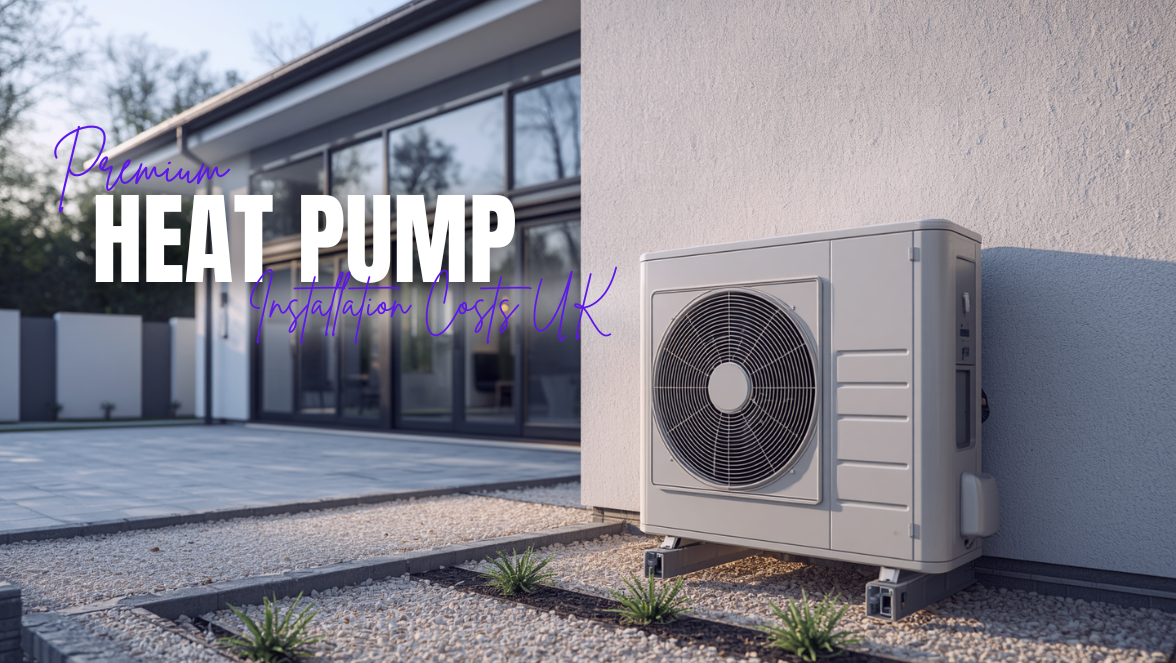
If you’re researching the premium heat pump cost UK homeowners pay, you’re likely not just looking for a basic system.
You want something efficient, reliable, and tailored to your property, a solution that delivers consistent performance without compromise.
The reality is that premium heat pump systems are a different category altogether. They are designed around your home, your usage, and long-term efficiency, not just upfront cost.
This guide breaks down exactly what defines a premium installation, what it costs in the UK, and whether it is the right investment for your property.
These are estimated ranges and vary depending on system design and property requirements.
How Much Does a Premium Heat Pump Cost UK?
In the UK, a premium heat pump system typically costs between £12,000 and £50,000+, depending on whether it is an air source or ground source system, the size of the property, and the level of customisation involved.
Premium installations include advanced system design, higher-spec equipment, and optimisation for long-term efficiency rather than just installation cost.
What Defines a Premium Heat Pump System?
A premium system is not just about the unit. It is about the entire setup.
Key Features of Premium Installations
Bespoke system design tailored to the property
High-performance heat pump units
Advanced controls and smart zoning
Optimised pipework and system layout
Integration with underfloor heating or upgraded radiators
Focus on efficiency, comfort, and long-term reliability
In short, a premium system is engineered, not just installed.
Detailed Cost Breakdown
Understanding where the investment goes helps clarify the value.
1. Equipment Costs
High-spec heat pump units
Smart controls and thermostats
Buffer tanks and cylinders
Estimated: £6,000 – £20,000+
2. Installation & Labour
System design and planning
Professional installation
Testing and commissioning
Estimated: £5,000 – £15,000+
3. System Upgrades
Larger radiators or underfloor heating
Pipework adjustments
Insulation improvements
Estimated: £3,000 – £15,000+
4. Advanced Features
Zoning systems
Smart home integration
Performance optimisation
Estimated: £1,000 – £5,000+
What Affects Premium Heat Pump Costs?
Property Size
Larger homes require more powerful systems and more complex layouts.
Insulation Quality
Better insulation improves efficiency but may require upgrades initially.
System Design Complexity
Multi-zone systems and custom layouts increase cost.
Heat Distribution System
Underfloor heating or upgraded radiators add to the investment.
Installation Standards
Premium installations involve more detailed planning and execution.
Standard vs Premium Heat Pump Systems
Feature
Standard System
Premium System
Cost
£7k – £12k
£12k – £50k+
Design
Basic
Bespoke
Efficiency
Good
Optimised
Controls
Basic
Smart & zoned
Comfort Level
Moderate
High
Long-Term Performance
Variable
Consistent & reliable
Long-Term Value and Efficiency
Premium systems are designed to deliver:
Lower running costs through optimisation
Consistent indoor temperatures
Reduced wear and tear
Longer system lifespan
While upfront costs are higher, the focus is on lifetime performance and efficiency, not just installation price.
Is a Premium Heat Pump Worth It?
A premium system is worth considering if:
You own a large or high-value property
You want consistent comfort across multiple zones
You plan to stay long-term
You prioritise efficiency and performance
It may not be necessary for smaller homes with simple heating needs.
How to Estimate Your Own Costs
The best way to understand your investment is to get a tailored assessment.
If you want a detailed consultation based on your property, you can speak directly with an expert here: https://elvix.co.uk/contact-us/
This allows you to move from general estimates to a precise, property-specific solution.
Final Thoughts
The premium heat pump cost UK homeowners encounter reflects more than just the system itself. It represents design quality, installation expertise, and long-term performance.
Rather than focusing purely on price, the key is understanding value. A well-designed premium system can deliver efficiency, comfort, and reliability for years to come.
FAQ Section
How much does a premium heat pump cost UK?
Typically between £12,000 and £50,000+, depending on system type, property size, and level of customisation.
Are premium heat pumps more efficient?
Yes, they are usually optimised for better performance and lower long-term running costs.
Do I need a premium system for my home?
Not always. Premium systems are best suited for larger or more complex properties.
Do premium systems reduce energy bills?
They can, especially when designed and installed correctly.
How long do premium heat pump systems last?
Most systems last 15 to 25 years, with proper maintenance.
Os jogos ao vivo na plataforma 1win representam uma experiência envolvente para os jogadores que buscam a emoção dos cassinos físicos sem sair de casa. Com uma variedade impressionante de jogos oferecidos, a seção de live casino do 1win destaca-se no mercado por sua qualidade e inovação. A plataforma combina a conveniência do jogo online com a interação ao vivo, proporcionando uma atmosfera única e dinâmica.
Variedade de Jogos ao Vivo
No 1win, a variedade de jogos ao vivo é um dos principais atrativos. Os jogadores podem desfrutar de clássicos como blackjack, roleta, e bacará, além de opções mais modernas, como game shows interativos. Cada jogo é conduzido por dealers profissionais, que garantem uma jogabilidade autêntica e emocionante. Esta diversidade de opções é ideal para todos os tipos de jogadores, desde os iniciantes até os mais experientes.
Blackjack ao vivo
Roleta ao vivo
Bacará ao vivo
Game shows interativos
Experiência de Jogo
A experiência de jogo ao vivo no 1win é aprimorada pela tecnologia de streaming em alta definição, que oferece imagens nítidas e um áudio claro. Os jogadores podem interagir com os dealers e outros participantes através de um chat ao vivo, criando um ambiente social que muitas vezes falta em jogos automáticos. Essa interação não só aumenta o engajamento, mas também faz com que os jogadores se sintam mais conectados ao jogo.
Segurança e Confiabilidade
O 1win prioriza a segurança dos seus usuários, oferecendo uma plataforma com criptografia avançada e medidas de proteção robustas. A empresa opera sob uma licença apropriada, garantindo que todos os jogos sejam justos e que os dados dos jogadores estejam protegidos. A jogo responsável é outra prioridade, com ferramentas que permitem que os jogadores definam limites e monitorem seu comportamento de jogo.
Tipo de Jogo
Dealers ao Vivo
Interação
Blackjack
Sim
Chat ao Vivo
Roleta
Sim
Chat ao Vivo
Perguntas Frequentes
Os jogos ao vivo são seguros? Sim, o 1win utiliza tecnologia de criptografia para garantir a segurança dos jogadores.
Posso jogar em dispositivos móveis? Sim, a plataforma é totalmente compatível com dispositivos móveis, permitindo acesso a qualquer momento.
Quais tipos de jogos estão disponíveis ao vivo? O 1win oferece blackjack, roleta, bacará e game shows interativos.
Playjonny is een opkomend online casino dat zich onderscheidt door zijn aantrekkelijke promoties en bonusaanbiedingen voor spelers. Voor degenen die op zoek zijn naar de beste deals, biedt play jonny casino een scala aan unieke mogelijkheden om de spelervaring te verrijken. Dit artikel biedt een inzichtelijke gids over waar de beste promoties te vinden zijn op deze platform.
Biedingen en Welkomstbonussen
Een van de meest aantrekkelijke aspecten van Playjonny is de welkomstbonus voor nieuwe spelers. Nieuwe leden kunnen profiteren van aantrekkelijke stortingsbonussen, gratis spins en andere promotioneel voordelen. Deze initiële aanbiedingen zijn ontworpen om spelers te verwelkomen en hen aan te moedigen om het brede spelaanbod te verkennen.
De welkomstbonus kan variëren, maar de gebruikelijke structuur omvat een percentage bovenop de eerste storting en extra spins op populaire gokkasten. Dit geeft spelers een solide start en motiveert hen om hun avonturen op de site te beginnen.
Lucratieve Loyaliteitsprogramma’s
Voor frequente spelers heeft Playjonny een loyaliteitsprogramma dat het waard is om te verkennen. Spelers verdienen punten voor elke inzet, die kunnen worden ingewisseld voor exclusieve bonussen, merchandise of andere voordelen. Dit systeem bevordert een langdurige relatie tussen het casino en zijn spelers, waarbij trouw wordt beloond met steeds aantrekkelijkere aanbiedingen.
Het loyaliteitsprogramma is in verschillende niveaus onderverdeeld, waarbij spelers naarmate ze meer spelen in niveau stijgen en toegang krijgen tot betere voordelen. Dit biedt spelers niet alleen meer waarde, maar ook een gevoel van prestatie en erkenning.
Seizoensgebonden Promoties en Evenementen
Naast de standaard bonussen biedt Playjonny ook seizoensgebonden promoties die zijn ontworpen om het spelplezier te verhogen tijdens speciale periodes, zoals vakanties of grote sportevenementen. Deze tijdelijke aanbiedingen kunnen extra gratis spins, hoge bonuspercentages of unieke prijspushes bevatten.
Het is raadzaam om de promotiepagina regelmatig te controleren voor updates en nieuwe aanbiedingen. Belangrijke evenementen worden vaak gepromoot op de website en via nieuwsbrieven, zodat spelers geen kans missen om te profiteren van extra waarde.
Soort Bonus
Voordelen
Te Onderscheiden Kenmerken
Welkomstbonus
Tot 100% op eerste storting
Gratis spins inbegrepen
Loyaliteitsbonus
Punten voor elke inzet
Exclusieve clubvoordelen
Seizoensgebonden promoties
Extra spins of verhoogde bonussen
Beperkte tijdsduur
Veelgestelde Vragen
Hoe kan ik gebruik maken van de welkomstbonus? Nieuwe spelers kunnen de bonus claimen door zich aan te melden en een eerste storting te doen.
Zijn er geen-wagering bonussen beschikbaar? Ja, Playjonny biedt soms promoties zonder inzetvereisten, vooral tijdens speciale evenementen.
Hoe werkt het loyaliteitsprogramma? Spelers verdienen punten op basis van hun inzetten, die kunnen worden ingewisseld voor bonussen en andere voordelen.
Samenvattend biedt Playjonny een breed scala aan promoties die spelers helpen om het meeste uit hun online casino-ervaring te halen. Van royale welkomstbonussen tot seizoensgebonden aanbiedingen en een goed doordacht loyaliteitsprogramma, elke speler kan hier profiteren van waardevolle extra’s. Het regelmatig controleren van de bonussectie van de website is een slimme zet om geen voordelen te missen.
De mystiek van Mafia Casino komt voort uit de unieke charme en de aantrekkelijke gamingervaring die deze online platform biedt. Spelers kunnen hun avontuur beginnen op https://mafiacasino-belgium.com, waar suspense en strategische vaardigheden samenkomen in een boeiende online speelomgeving. Met een breed scala aan spellen en een aantrekkelijke gebruikersinterface, is het niet verwonderlijk dat dit casino veel aandacht trekt in de iGaming-industrie.
Veiligheid en betrouwbaarheid
Mafia Casino hecht veel waarde aan de veiligheid van zijn spelers. Het platform is volledig gelicentieerd en volgt strikte richtlijnen om een eerlijke en veilige speelervaring te waarborgen. Alle gevoelige gegevens worden versleuteld met moderne technologieën, en spelers kunnen erop vertrouwen dat hun informatie goed wordt beschermd.
Het casino promoot ook verantwoord gokken, met diverse hulpmiddelen die spelers helpen hun speelgedrag in de gaten te houden. Hierdoor ontstaat een veilige omgeving waar spelers zich optimaal kunnen concentreren op de spellen.
Spelassortiment en leveranciers
Het spelassortiment van Mafia Casino omvat een breed scala aan categorieën, variërend van slots en tafelspellen tot live dealer spellen. Dankzij samenwerkingen met toonaangevende spelproviders zoals NetEnt, Microgaming en Evolution Gaming, kunnen spelers genieten van hoogwaardige graphics en soepele gameplay. Dit zorgt ervoor dat er voor ieder wat wils is, of het nu gaat om klassieke gokkasten of innovatieve live casino-ervaringen.
Een ruime selectie van slots en progressieve jackpots
Populaire tafelspellen zoals roulette, blackjack en poker
Live casino met echte dealers in realtime
Regelmatige toevoegingen van nieuwe spellen
Spellen beschikbaar op desktop en mobiele apparaten
Boni en promoties
Mafia Casino biedt spelers een aantrekkelijke bonusstructuur die hen motiveert om vaker terug te keren. Nieuwe spelers kunnen profiteren van een welkom bonuspakket met een aantrekkelijke percentage op hun eerste storting, terwijl bestaande spelers regelmatig in aanmerking komen voor herlaadbonussen en gratis spins. Deze bonussen zijn vaak onderhevig aan redelijke inzetvereisten, wat het voor spelers gemakkelijker maakt om van de voordelen te genieten.
Een belangrijk aspect van de bonusstrategie is de loyaliteitsprogramma, die spelers beloont naarmate ze meer spelen. Dit programma biedt verschillende niveaus, elk met unieke voordelen en exclusieve aanbiedingen, waarmee spelers de kans krijgen om hun speelervaring te optimaliseren.
Kenmerk
Details
Opmerking
Licentie
Verschillende vergunningen
Betrouwbaarheid gegarandeerd
Spelaanbod
Slots, tafelspellen, live dealer
Grote diversiteit
Boni
Welkomstbonussen en loyaliteitsprogramma
Regelmatig vernieuwd
Veelgestelde vragen
Is Mafia Casino betrouwbaar? Ja, het is volledig gelicentieerd en biedt een veilige speelomgeving met strikte beveiligingsmaatregelen.
Welke spellen zijn beschikbaar? De casino biedt een breed scala aan spellen, waaronder slots, tafelspellen en live dealer spellen van toonaangevende providers.
Wat zijn de bonusvoorwaarden? Bonussen hebben vaak inzetvereisten. Het is belangrijk om de voorwaarden te lezen voordat u zich aanmeldt.
If you are researching air vs ground source heat pump UK, you are already asking the right question. For most homeowners, the decision is not whether heat pumps work. It is which type makes the most sense for the property, the budget, the available space, and the level of disruption you are willing to accept during installation. Energy Saving Trust’s current UK guidance makes that clear. Both systems can heat a home efficiently, but they suit different circumstances.
Featured snippet answer: Neither system is universally better. In the UK, an air source heat pump is usually the more practical choice where budget and space are tighter, while a ground source heat pump is often worth considering where you have enough land, want the highest seasonal efficiency, and can justify the greater installation cost and disruption.
Air vs ground source heat pump UK. Which is better?
The honest answer is that the better option depends on five things. Your property type, your outdoor space, your budget, your efficiency goals, and how practical the installation will be. Energy Saving Trust says that if you are limited by budget or space restrictions, an air source heat pump is more likely to suit you. It also says that a ground source system is likely to be more efficient than an equivalent air source system, giving lower running costs and lower carbon emissions, but costing more to install.
That is why this is not really a winner-takes-all comparison. It is a suitability decision. A well-designed air source heat pump can be the better investment for a typical suburban home. A ground source heat pump can be the stronger long-term option for a larger property with land, stable renovation plans, and an owner prepared for higher upfront cost.
How air source heat pumps work
An air source heat pump takes heat from the outside air and transfers it into the water in your home’s central heating system. That heat can then be used for radiators, underfloor heating, and hot water stored in a cylinder. Energy Saving Trust explains that the system uses refrigerant and a compressor to raise the temperature before passing the heat into the home. The government’s consumer guidance adds that heat pumps can do this even in sub-zero weather.
For UK homeowners, the key benefit is practicality. Air source systems are the most common domestic heat pump type in the UK, they are suitable for most types of home, and the main unit normally sits outside the property. That makes them easier to fit in many cases than a ground source system.
How ground source heat pumps work
A ground source heat pump works on the same overall principle, but instead of taking heat from the air, it takes heat from the ground through buried pipework. That pipework is usually installed in trenches or through boreholes. The ground provides a more stable source temperature through the year, which is one reason ground source systems tend to be more efficient overall.
In practical terms, this makes ground source far more dependent on site conditions. Energy Saving Trust says these systems are better suited to properties with a large garden or enough outdoor space to run underground loops or boreholes. If you do not have that kind of space, the decision can often be made very quickly. Ground source may simply not be a realistic option.
Installation requirements and disruption
This is where the difference becomes most obvious.
Air source heat pumps are usually simpler to install. You need room for the outdoor unit and, in most cases, space indoors for a hot water cylinder. Ground source systems need far more from the site because the ground loop has to be buried or drilled in. Energy Saving Trust notes that trenches or boreholes add extra work and extra cost. That also means more disruption during installation.
For many UK homes, especially standard urban and suburban properties, that practical difference is decisive. Air source tends to be the more accessible route. Ground source becomes more attractive where the land is there already and excavation is not a major obstacle.
Upfront cost and long-term value
On current Energy Saving Trust figures, an air source heat pump installation is around £11,000, while a ground source heat pump is around £29,000. If boreholes are needed, the ground source figure can go significantly higher. Those costs still vary by property size, whether the home is new-build or existing, and how much work is needed to adapt the existing heating system.
This does not automatically mean air source is the better value. Ground source systems tend to be more efficient across the year, which can mean lower running costs. But the extra installation cost is substantial, so the stronger option financially depends on how long you expect to stay in the home, how important long-term efficiency is to you, and whether the site makes a ground source installation straightforward rather than complex.
Efficiency and running performance
Efficiency is one of the strongest arguments in favour of ground source, but it needs context.
Energy Saving Trust explains that heat pump efficiency depends on the source temperature. Air temperatures fluctuate through the year, while soil temperature is much steadier and usually stays above 5°C. That gives ground source systems an efficiency advantage overall, especially during colder periods when heating demand is highest. At the same time, air source systems can still perform very effectively in UK conditions and may even be slightly more efficient on milder days when the air is warmer than the ground.
The more important lesson is that neither system performs at its best without proper design. Energy Saving Trust’s installer toolkit says an accurate room-by-room heat loss calculation is fundamental if a heat pump is going to heat the property adequately at relatively low flow temperature and high efficiency. That applies to both system types.
Maintenance, lifespan thinking, and aftercare
A premium comparison should not pretend that one technology is “set and forget” while the other needs constant attention. Energy Saving Trust says heat pumps need no more maintenance than a gas boiler and recommends an annual service to keep the system clean and working efficiently. That advice applies broadly to heat pumps rather than only one source type.
Where the comparison does differ slightly is in how the systems are physically arranged. Air source systems have an outdoor unit exposed to weather and siting considerations. Ground source systems do not need an outdoor fan unit, but they do need a larger indoor unit and buried or drilled ground loops. In practice, homeowners should compare annual servicing, warranty terms, installer support, and build quality rather than assume one fixed lifespan number automatically makes one type better. That is a judgement grounded in system layout and maintenance guidance, rather than a hard official lifespan ranking.
Noise and space needs
Noise is a more relevant issue for air source because the main unit sits outside the home. That does not mean it is unsuitable, but it does make siting more important. Ground source systems do not have an outdoor unit, so external noise is usually less of a consideration.
Space works the other way. Air source needs much less land outside, while ground source needs enough space for trenches or a borehole approach. Inside the home, both typically need space for hot water storage, and Energy Saving Trust says heat pumps ideally need room for a cylinder.
Comparison table. Air source vs ground source
Feature
Air source heat pump
Ground source heat pump
Heat source
Outside air
Ground via trenches or boreholes
Typical installation cost
Around £11,000
Around £29,000, more with boreholes
Outdoor space needed
Usually modest
Usually significant
Installation disruption
Lower
Higher
Seasonal efficiency
Strong, but varies more with weather
Usually higher overall
External noise consideration
Yes, because of the outdoor unit
Usually less relevant
Best fit
Most UK homes with limited space or budget
Homes with land and long-term efficiency goals
The broad comparison above reflects current Energy Saving Trust guidance on suitability, installation cost, source temperature and efficiency.
When air source heat pumps make more sense
Air source usually makes more sense when:
you have limited outdoor space
you want lower installation disruption
you are working to a more moderate budget
you live in a typical UK house where a ground loop is unrealistic
you want the most practical route into low-carbon heating
This is why air source is so often the better choice for mainstream UK homes. It is not always the absolute efficiency winner, but it is often the best mix of practicality, cost and performance.
When ground source heat pumps are worth considering
Ground source is worth serious consideration when:
you have a large garden or suitable land
trenches or boreholes are practical on site
you want the strongest long-term efficiency case
you are already undertaking major renovation or site works
you are comfortable with a much higher upfront spend for a more premium installation approach
For some rural or larger detached properties, that combination can make ground source the better premium choice. The efficiency advantage is real. It is the practicality and cost barrier that stops it being the default answer.
Pros and cons at a glance
Air source heat pumps
Pros
cheaper to install than ground source
easier to fit in most UK homes
less disruptive installation
suitable for most property types
Cons
efficiency varies more with outdoor temperature
outdoor unit needs careful siting
can be slightly less efficient overall than ground source
Ground source heat pumps
Pros
generally more efficient across the year
lower running costs in many cases
no outdoor fan unit
strong fit for larger sites and long-term thinking
Cons
much higher installation cost
requires land and more complex groundwork
more disruption during installation
often unrealistic for smaller plots or tightly constrained homes
Homeowner checklist before choosing
Before deciding on the best heat pump type for UK homes in your case, ask yourself:
Do I have enough outdoor space for trenches or boreholes?
Am I comparing upfront cost only, or whole-life value?
Is the house reasonably well insulated?
Will the system work with my radiators or would upgrades help?
Do I have room for a hot water cylinder?
How much installation disruption am I realistically willing to accept?
Has a proper heat loss calculation been done?
If you already know your home needs a property-specific recommendation rather than a generic comparison, you can request a tailored quote based on your layout, budget and heating goals.
Quick summary for skim readers
Air source is usually the more practical choice for most UK homes.
Ground source is usually the more efficient choice overall, but it costs much more to install.
Space and disruption are often the deciding factors.
Correct sizing, emitter compatibility and good installation matter just as much as the source type.
The better system is the one that fits the property properly, not the one with the strongest headline claim.
If you want help comparing your own home rather than broad examples, you can contact the team here for a more specific view.
FAQ
Which is better air source or ground source heat pump?
Neither is automatically better for everyone. Air source is usually better where space and budget are tighter, while ground source is often better where you have enough land and want stronger seasonal efficiency.
Is ground source more efficient than air source?
Generally, yes. Energy Saving Trust says ground source systems tend to be more efficient across the year because ground temperatures are more stable than air temperatures.
Is air source cheaper to install than ground source?
Yes. Current Energy Saving Trust figures put air source at around £11,000 and ground source at around £29,000, with boreholes pushing the ground source cost even higher.
Do both systems work in UK weather?
Yes. Government guidance says heat pumps can work even in sub-zero weather, and Energy Saving Trust says air source systems can operate effectively in extreme UK conditions, although efficiency is affected by temperature.
Do I need a lot of space for a ground source heat pump?
Usually, yes. Ground source systems normally need enough outdoor space for trenches or boreholes, which is why they are better suited to homes with larger gardens or land.
Conclusion
The right answer to air vs ground source heat pump UK is rarely about choosing the “best” technology in the abstract. It is about choosing the system that fits the property, the land, the budget and the installation reality. Air source is usually the more practical and affordable option for most UK homes. Ground source is usually the more efficient and premium option where the site makes it viable. In both cases, the strongest results come from accurate heat loss calculations, sensible system design and good installation rather than from source type alone.
Das Pinco Casino hat sich als eine der beliebten Plattformen auf dem Online-Glücksspielmarkt etabliert. Besonders hervorzuheben ist die mobile Version, die Spielern ermöglicht, jederzeit und überall auf ihre Lieblingsspiele zuzugreifen.
Mobiles Spielerlebnis im Pinco Casino
Die mobile Version des Pinco Casinos bietet eine benutzerfreundliche Schnittstelle und ist sowohl für Android- als auch iOS-Nutzer optimiert. Die Webseite ist responsiv gestaltet, sodass sie sich automatisch an verschiedene Bildschirmgrößen anpasst. Spieler können einfach zwischen den verschiedenen Spielkategorien navigieren und ihren bevorzugten Titel auswählen.
Spielangebot und Anbieter
Das Casino bietet eine vielfältige Auswahl an Spielen, einschließlich Spielautomaten, Tischspielen und Live-Casino-Optionen. Die beliebtesten Spiele stammen von renommierten Anbietern wie NetEnt, Microgaming und Evolution Gaming. Darüber hinaus werden regelmäßig neue Spiele hinzugefügt, um die Spielerfahrung frisch und aufregend zu halten.
Über 300 Spiele verfügbar
Vielfältige Spielkategorien
Regelmäßige Updates mit neuen Titeln
Zusammenarbeit mit führenden Softwareentwicklern
Bonusangebote für mobile Spieler
Das Pinco Casino bietet attraktive Bonusangebote, die speziell für mobile Nutzer gestaltet sind. Spieler können von einem Willkommensbonus, Freispielen und weiteren Promotionen profitieren, die ihre Spielerfahrung verbessern. Es ist jedoch wichtig, die Bonusbedingungen zu überprüfen, um sicherzustellen, dass sie den Anforderungen entsprechen.
Bonusart
Betrag
Besonderheiten
Willkommensbonus
100% bis 200€
Erster Einzahlungsbonus
Freispiele
50 Freispiele
Auf ausgewählte Slots
Cashback
10%
Wöchentlich auf Verluste
Fazit und Empfehlungen
Zusammenfassend lässt sich sagen, dass die mobile Version des Pinco Casinos eine nutzerfreundliche Plattform ist, die Spielern eine Vielzahl von Unterhaltungsmöglichkeiten bietet. Mit einem breiten Spielangebot, attraktiven Bonusaktionen und einer ansprechenden Benutzeroberfläche ist das Casino eine gute Wahl für mobile Spieler, die nach Unterhaltung suchen.
Häufig gestellte Fragen (FAQ)
Wie lade ich die mobile App herunter? Die App kann direkt von der Casino-Webseite heruntergeladen werden.
Gibt es spezielle Boni für mobile Spieler? Ja, das Casino bietet exklusive Aktionen für mobile Nutzer an.
Ist die mobile Version sicher? Ja, das Pinco Casino verwendet moderne Verschlüsselungstechnologien, um Daten zu schützen.
Before investing in low-carbon heating, most homeowners want a clear answer to one question. How long will the system actually last in real UK conditions? That is why heat pump lifespan UK is such an important search. Buyers are not only comparing upfront cost. They are also weighing long-term value, reliability, maintenance, and whether a premium heating system will still perform well many years from now. Current UK guidance and manufacturer advice broadly place a well-designed, well-maintained heat pump in the 15 to 20 year range, with some systems lasting longer where installation quality and servicing are strong.
Featured snippet answer: In practical UK terms, most heat pumps last around 15 to 20 years, and some well-maintained systems can go beyond that. Lifespan depends less on age alone and more on design quality, sizing, installation standards, servicing, and how efficiently the system has been run over time.
Heat pump lifespan UK. What homeowners can realistically expect
If you want the honest answer, there is no single number that fits every property. The more realistic view is that how long heat pumps last depends on how well the system was specified and how well it has been looked after afterwards. Daikin describes the typical lifespan of a heat pump as 15 to 20 years, while Vaillant says average lifespan can be 20 to 25 years for well-maintained units, and also notes that a well-designed, well-installed, regularly serviced heat pump should last over 15 years. Ideal Heating uses a similar range, saying well-maintained systems can last 15 to 20 years or more. Taken together, that gives homeowners a sensible UK expectation without pretending every unit will age in the same way.
For most buyers, that matters because a heat pump is not a short-term appliance purchase. It is part of the long-term heating fabric of the home. If the system is properly designed and serviced, the lifespan is usually strong enough to make the conversation about whole-life value more important than just installation cost.
How long do heat pumps last?
For a typical UK home, the safest answer is around 15 to 20 years, with some systems lasting longer if they are well designed, correctly sized, regularly serviced, and not forced to work harder than they should. That is why the better question is not only how old is the unit? but also how good was the installation and how has it been maintained?
Heat pump lifespan UK depends on more than age alone
A heat pump does not age well simply because it exists for long enough. It ages well when the system has been installed correctly, matched to the property, and kept in good working order. Energy Saving Trust’s installer guidance says accurate sizing is important for efficiency and system longevity, while Which? notes that heat pump efficiency varies with system design, sizing, heat loss, and the weather. That makes lifespan partly a design issue from day one, not just a maintenance issue years later.
What affects the lifespan of a heat pump?
Several factors have a direct effect on air source heat pump lifespan, overall renewable heating lifespan, and how well the system holds its efficiency over time.
1. Installation quality
Installation quality is one of the biggest variables. Ideal Heating states clearly that lifespan depends on factors such as quality of installation, maintenance, and usage. Poor installation can lead to inefficiencies and earlier wear, while a well-designed installation gives the system a better chance of delivering stable performance for years.
2. Correct sizing for the property
Oversimplified sizing is a common weakness in heating discussions. Energy Saving Trust’s Green Heat Toolkit says sizing a heat pump accurately to meet the property’s heat load at design temperature is important for efficiency and system longevity. In other words, a system that is too small may work harder than it should, while a system that is not matched properly to the home may never perform as intended.
3. Maintenance and servicing
This is where many lifespan conversations become practical rather than theoretical. Energy Saving Trust recommends an annual service for heat pumps and says it is often a condition of warranty. Vaillant says regular servicing supports longevity and that a well-designed, well-installed heat pump should last over 15 years with regular servicing. Daikin also says annual check-ups help maximise lifespan.
4. Usage levels and system operation
Heat pumps work best when they are allowed to run steadily and efficiently rather than being treated like a traditional boiler that is constantly pushed into sharp on-off patterns. Which? notes that heat pump efficiency varies by design, system sizing, heat loss, and weather, while Energy Saving Trust points to controls such as the heating curve and weather compensation as important for efficient running. Good operating conditions are not separate from longevity. They are part of it.
5. Brand quality and component durability
Manufacturer guidance also supports the idea that brand and build quality matter. Ideal Heating specifically lists brand and quality among the factors that influence how long a heat pump lasts. That does not mean one logo guarantees a certain lifespan, but it does mean the quality of components, controls, aftercare, and support should all be part of the buying decision.
6. UK weather and property conditions
Heat pumps are designed for UK climates, but the weather still affects performance. Which? notes that efficiency varies with the weather, and Energy Saving Trust’s efficiency guidance highlights the role of weather compensation and correct control settings. Over time, a system that is regularly exposed to poor airflow, debris, blocked outdoor space, or suboptimal control settings is less likely to age gracefully than one that is kept clean and set up properly.
Heat pump maintenance and lifespan. Why servicing matters so much
A lot of homeowners think about servicing as a box-ticking exercise. In reality, heat pump maintenance and lifespan are closely linked. Energy Saving Trust says an annual service can help identify potential issues early and often supports warranty requirements. It also notes that a service may include cleaning coils and fan blades, inspecting filters, checking refrigerant level and pressure, and confirming electrical connections are safe. Those are exactly the kinds of routine checks that help prevent gradual decline in efficiency or reliability.
Vaillant makes the same point from a different angle. Its service guidance says the engineer will check the efficiency and performance of the heat pump to ensure the system is working correctly and delivering the desired comfort levels. That matters because many systems do not suddenly fail overnight. They decline slowly. By the time the homeowner notices discomfort or rising bills, the system may have been drifting off peak performance for some time.
Signs a heat pump may be ageing or losing efficiency
Age on its own is not the only sign that a system is nearing the later part of its life. In practical terms, homeowners should pay more attention to changes in behaviour and performance.
The warning signs below are sensible triggers for a review:
rising running costs without a clear tariff-related reason
poorer comfort or slower response than before
more frequent fault calls or service issues
a system that needs repeated attention to maintain normal performance
noise, vibration, or cycling behaviour that has changed over time
the unit reaching an age where major parts and labour begin to look poor value compared with an upgrade
These are not arbitrary concerns. UK guidance consistently links servicing with efficiency, and system efficiency is affected by design, controls, weather, and ongoing condition. So if comfort is slipping and energy use is climbing, it is reasonable to treat that as a sign the system needs review rather than assuming it is “just getting older”.
Factor versus impact on lifespan
Factor
Likely impact on lifespan
What it means in practice
Installation quality
High
Poor installation can reduce efficiency and increase wear over time
Correct sizing
High
Proper sizing supports efficiency and system longevity
Annual servicing
High
Helps maintain efficiency, identify issues early, and support warranty conditions
Controls and settings
Medium to high
Poorly set curves or controls can increase running costs and strain
Brand and component quality
Medium
Better build quality and aftercare can support longer, more stable operation
Weather and site conditions
Medium
UK weather is normal for heat pumps, but blocked airflow and poor placement can hurt performance
This table is a simplified version of what the guidance points to. Lifespan is rarely about one dramatic mistake. It is usually the result of several good decisions, repeated over time.
When repair is sensible and when replacement is the better option
A premium homeowner decision is rarely about replacing equipment the moment it reaches a certain birthday. The more useful question is whether a repair still makes financial and practical sense.
Repair is usually sensible when:
the system is still comfortably within its normal lifespan window
performance is otherwise strong
the fault is isolated and not part of a wider pattern
servicing history is good
the repair restores the system without creating recurring risk
Replacement starts to make more sense when:
the system is older and increasingly unreliable
faults are becoming more frequent
efficiency has dropped noticeably
comfort is inconsistent despite repeated attention
major repair costs are starting to feel disproportionate to the likely years left
That is not a hard formula. It is a decision framework. If you want a more property-specific view on longevity, replacement timing, or what level of investment makes sense, you can request a tailored quote for advice based on your home and current setup.
How to extend heat pump life
If your goal is to extend heat pump life, the advice is refreshingly practical.
A simple homeowner checklist
book an annual professional service
keep the outdoor unit clean and free from blocked airflow
do not ignore gradual changes in noise, comfort, or bills
make sure controls are set up properly rather than constantly adjusted at random
keep paperwork and service records, especially for warranty support
deal with small issues early rather than waiting for a larger fault
This is not about over-managing the system. It is about giving a high-value heating asset the routine care it needs to stay efficient for longer. Energy Saving Trust, Daikin, Grant, and Vaillant all point in the same direction. Heat pumps are relatively low maintenance, but not no-maintenance. Annual checks help support efficiency, reliability, and longevity.
Expert insight. Lifespan and efficiency should be considered together
One of the most useful ways to think about a heat pump is that longevity and efficiency are not separate topics. A system can technically still be operating after many years, but that does not automatically mean it is operating well. Which? says heat pump efficiency varies with design, sizing, heat loss, and weather. Energy Saving Trust says correct heating curves and controls help the system run efficiently. That means a premium conversation about lifespan is really a conversation about whether the system is still delivering the right comfort and efficiency for the home, not simply whether it still switches on.
If you are unsure whether your current heat pump is ageing normally or whether it is time for a deeper review, it is often worth speaking to a specialist rather than guessing. You can contact the Elvix team here for advice on servicing, performance, or replacement planning.
FAQ
How long do heat pumps last?
Most mainstream UK guidance places a well-maintained heat pump at around 15 to 20 years, with some systems lasting longer where design, installation, and servicing are particularly strong.
What is the average air source heat pump lifespan?
In UK homeowner terms, air source heat pump lifespan is usually discussed in the same broad 15 to 20 year range, although some manufacturers suggest well-maintained systems can go beyond that.
Does annual servicing really make a difference?
Yes. Energy Saving Trust recommends annual servicing, often as a warranty condition, and manufacturer guidance says regular servicing helps protect efficiency, performance, and longevity.
Can poor installation shorten a heat pump’s life?
Yes. Ideal Heating lists installation quality as a lifespan factor, and Energy Saving Trust’s installer toolkit says accurate sizing is important for both efficiency and system longevity.
How do I know if repair is no longer the best option?
There is no single trigger, but repeated faults, falling efficiency, rising bills, and inconsistent comfort are all practical signs that the system may need more than another routine repair. Those signs matter because guidance consistently links system condition with efficiency and performance over time.
Conclusion
For most homeowners, heat pump lifespan UK is best understood as a realistic 15 to 20 year expectation rather than a fixed deadline. Some systems will last longer, some will not, and the difference usually comes down to installation quality, correct sizing, servicing, controls, and overall care. If you approach lifespan in that way, you make better decisions. Not just about when to replace a system, but about how to protect its value long before that point arrives.